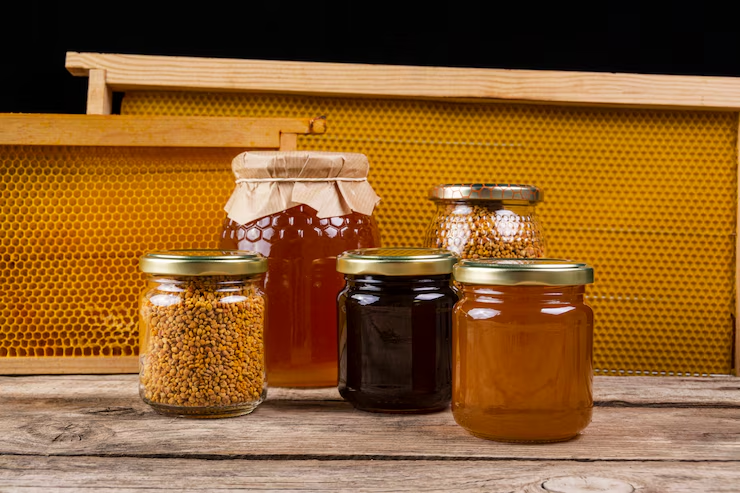
Q1: What is natural honey, and how is it made?A: Natural honey is a golden nectar produced by bees from the nectar of flowers. It’s collected from hives, unprocessed, and retains all its natural goodness, including vitamins, minerals, and antioxidants. Q2: Why is raw honey better than processed honey?A: Raw honey is unfiltered and free from additives, preserving its natural enzymes, antioxidants, and nutrients. Processed honey often loses these benefits during heating and filtering. Q3: Can honey help boost immunity?A: Yes! Honey contains powerful antioxidants and antibacterial properties that strengthen the immune system, helping your body fight infections and stay healthy. Q4: Is honey good for weight management?A: Absolutely! Honey can be a healthier alternative to sugar. Mixing it with warm water and lemon in the morning is a popular remedy for boosting metabolism and aiding weight loss. Q5: How does honey benefit the skin?A: Honey is a natural moisturizer and healer. Its antibacterial properties help treat acne, while its hydrating qualities leave the skin soft, glowing, and rejuvenated. Q6: Can honey help with sore throats and colds?A: Definitely! A spoonful of honey can soothe a sore throat, reduce coughing, and provide relief from cold symptoms due to its anti-inflammatory and soothing properties. Q7: How should I store honey?A: Store honey in a cool, dry place, away from direct sunlight. There’s no need to refrigerate it, as honey has natural preservatives that prevent spoilage. Q8: Does honey expire?A: Pure honey never spoils! If stored properly, it can last indefinitely. If it crystallizes, simply warm it gently to return it to its liquid form. Q9: How can I use honey in my daily diet?A: Add honey to your tea, spread it on toast, drizzle it over pancakes, or use it as a natural sweetener in smoothies and desserts. It’s delicious and nutritious! Q10: What are the different types of honey, and how do they differ?A: Honey comes in varieties like acacia, wildflower, and clover, depending on the flowers the bees pollinate. Each type has a unique flavor, color, and nutrient profile.